Guides, tutorials, and insights about AI transcription, African languages, and making the most of AuTrans.
Otter.ai is one of the best transcription tools in the world for American and British English. But how does it handle Nigerian English and Pidgin? Here is a fair, side-by-side look.
WhatsApp voice notes are quiet, compressed, and split into parts. Here's how to clean them up with free browser tools, convert .opus, trim dead air, merge parts, so they transcribe accurately.
Hausa is spoken by tens of millions across West and Central Africa, yet most transcription tools ignore it. A practical, honest guide to getting clean Hausa transcripts with AuTrans.
Igbo is tonal, dialect-rich, and underserved by AI. Here is a clear-eyed guide to transcribing Igbo audio today, what AuTrans does well, where it still struggles, and how to get the best results.
A hands-on guide to transcribing Yoruba sermons, interviews, and Nollywood dialogue. Why generic tools fail on Yoruba, what to realistically expect, and how to get the cleanest results with AuTrans.
Practical advice for Nigerian teams who want accurate meeting transcriptions. Covers audio quality, microphone setup, handling multiple speakers, and code-switching.
Standard ASR tools were built for American accents. Nigerian English has different pronunciation, grammar, and expressions that break these systems. Here is what goes wrong.
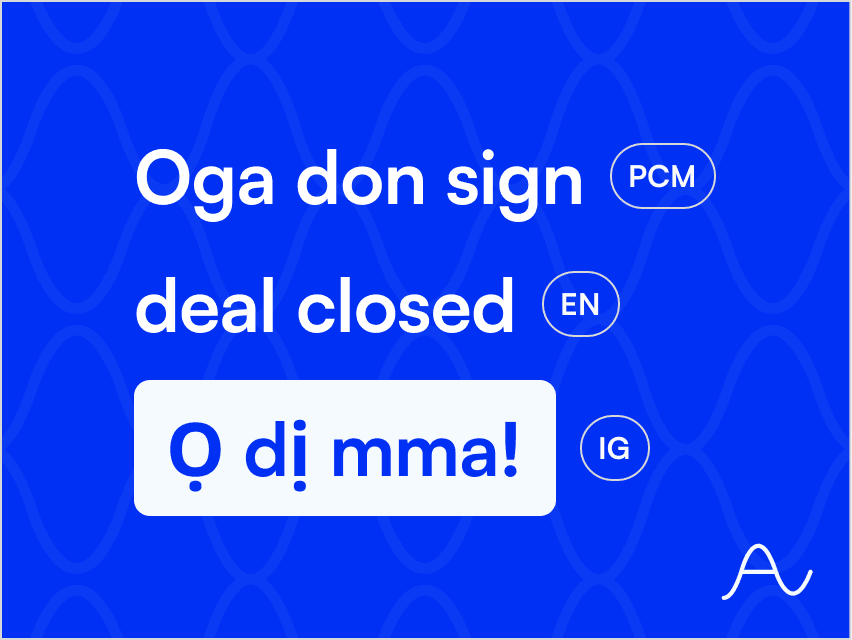
Nigerian Pidgin is a language with its own grammar and millions of speakers. Standard AI transcription tries to correct it to English. AuTrans transcribes Pidgin as spoken.
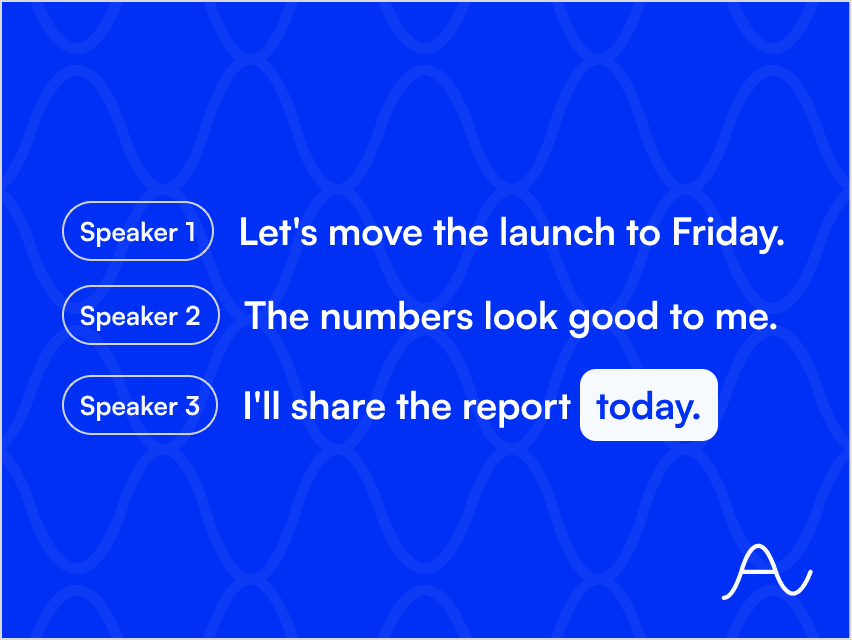
Speaker diarization is the AI process of detecting who said what in an audio recording. Learn how it works and why it is essential for meetings, interviews, and podcasts.
Over 2000 African languages exist, yet most AI transcription tools only work well for American English. Here is why that gap matters and what AuTrans is doing about it.